
 VOICE OF THE
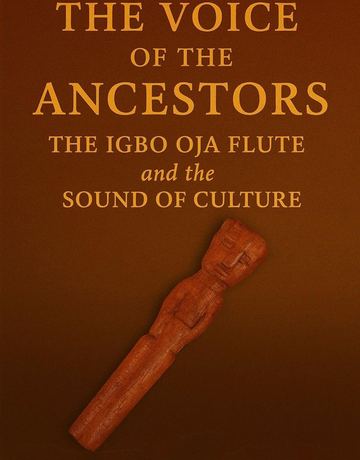
THE VOICEOF THEANCESTORS
The Ọjà, the Ancestral Ọdụ and the Sound of Igbo Culture
Watch the story
The Ọjà and the Ọdụ
Two ancestral voices stand at the heart of this project. The Ọjà speaks for the whole community. The Ọdụ speaks for its most honoured sons and daughters. Together they carry the memory of Igbo land.
Ọjà
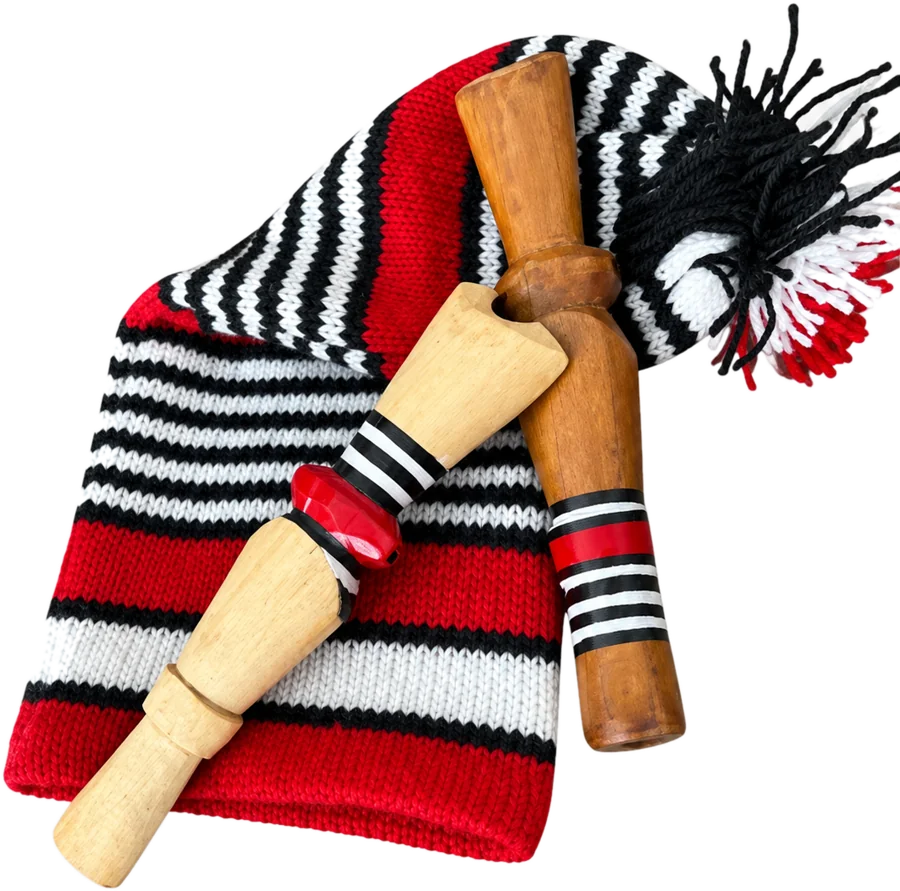
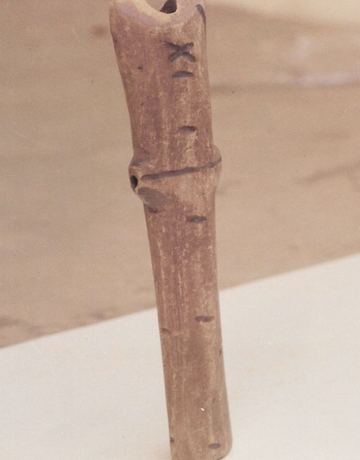
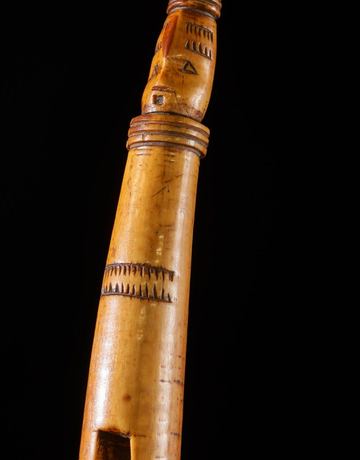
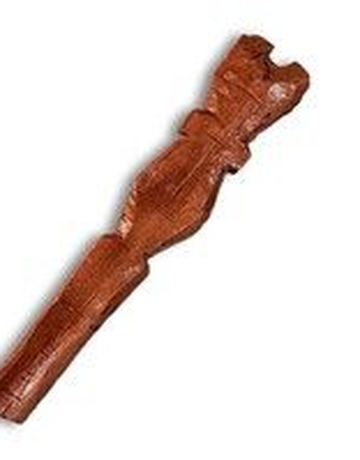
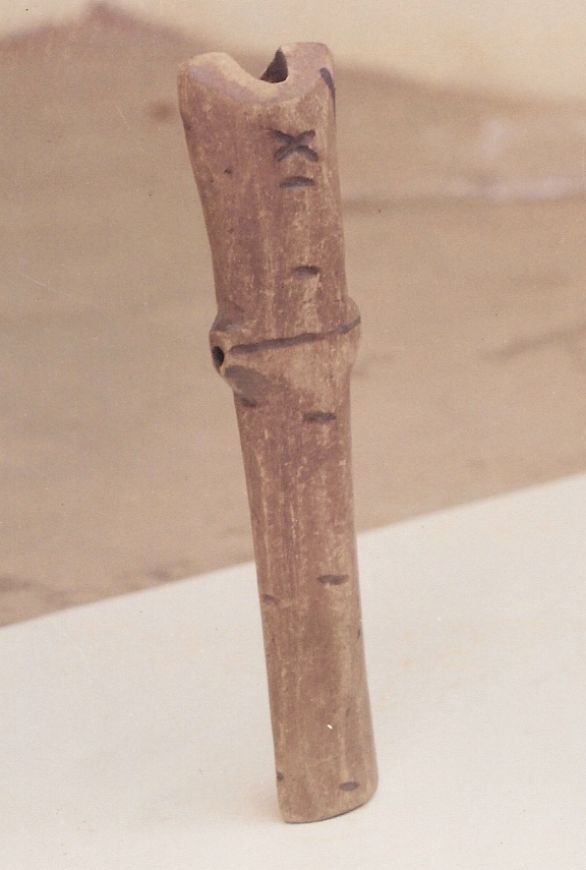
A carved wooden flute that talks, praises and calls the spirits. It plays at masquerades, festivals, funerals and celebrations, for everyone.
Ọdụ
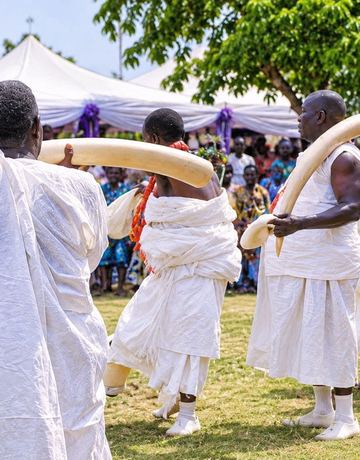
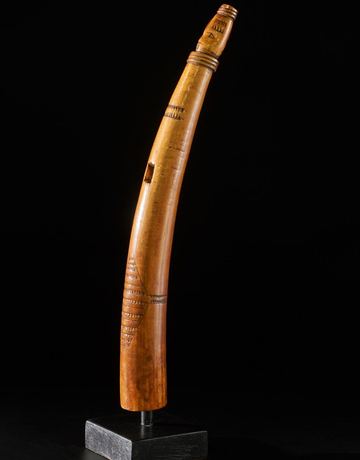
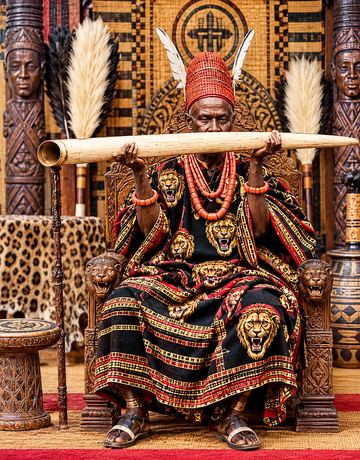
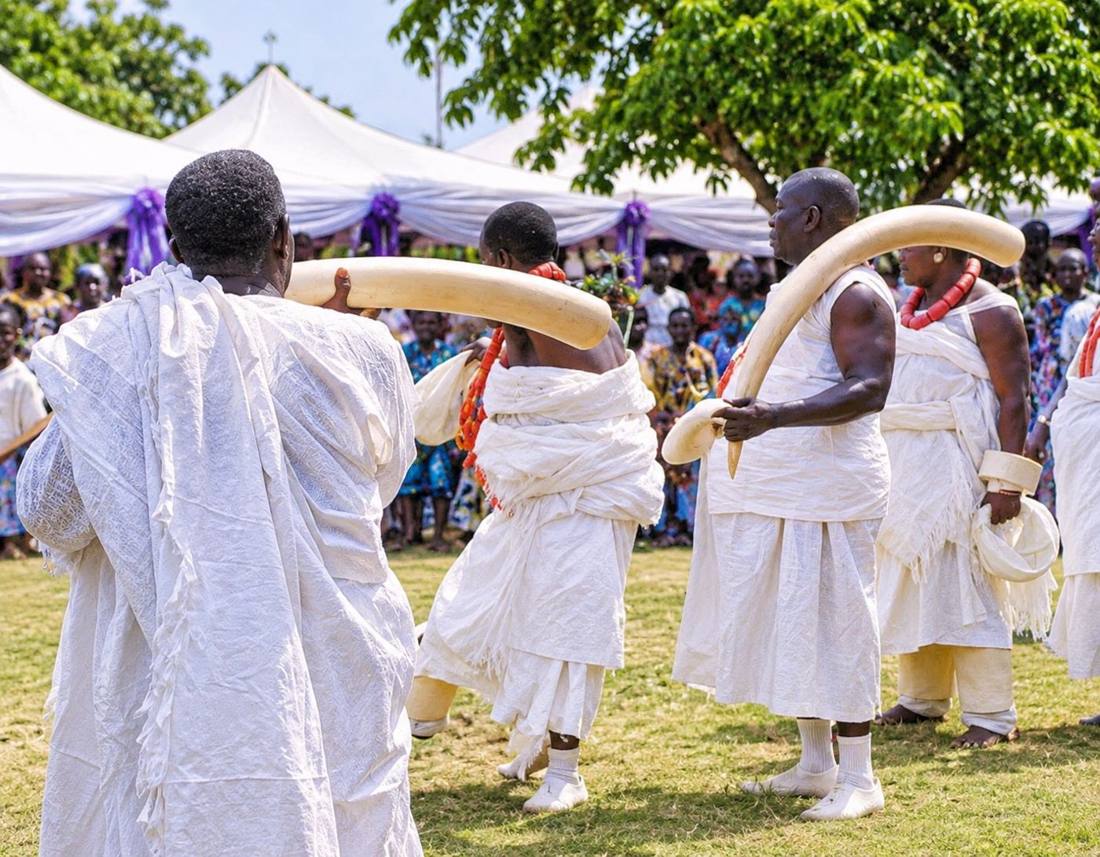
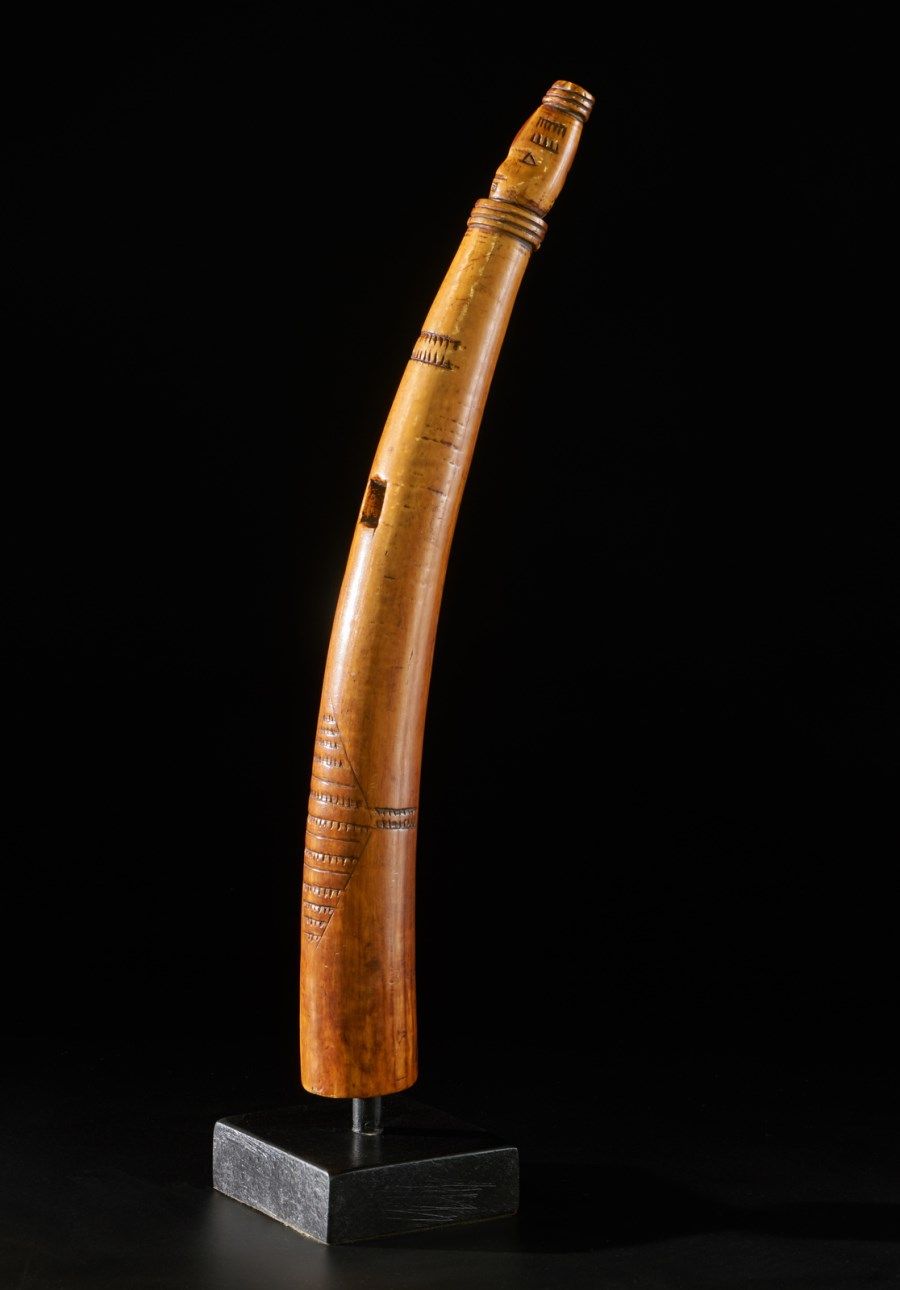
A side blown horn, traditionally carved from ivory. It sounds for kings, for Ndị Ichie and Ndị Ọzọ, at the Ọfala and when a great person is laid to rest.
The flute that wakes the dead
Our elders say the Ọjà is the flute that wakes the dead. Small enough to hide in a hand, it can silence a crowd, lift a dancer and bring tears to the eyes of anyone with Igbo blood.
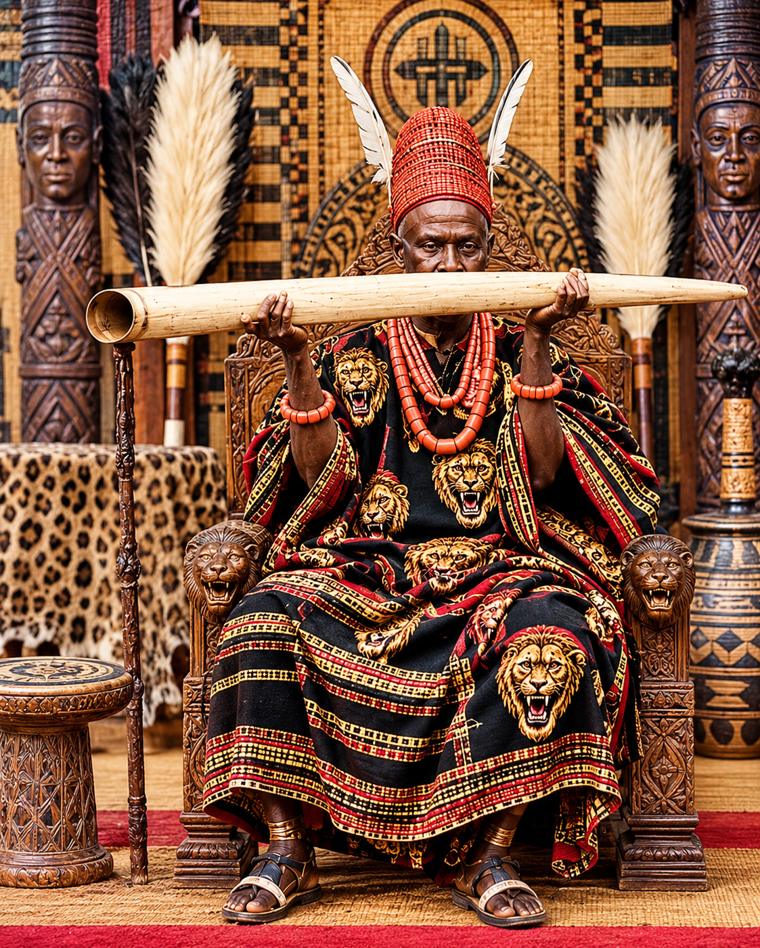
The horn of honour
Where the Ọjà can play for anyone, the Ọdụ is reserved. Its deep call announces that someone of great standing is present, has risen, or has passed on.
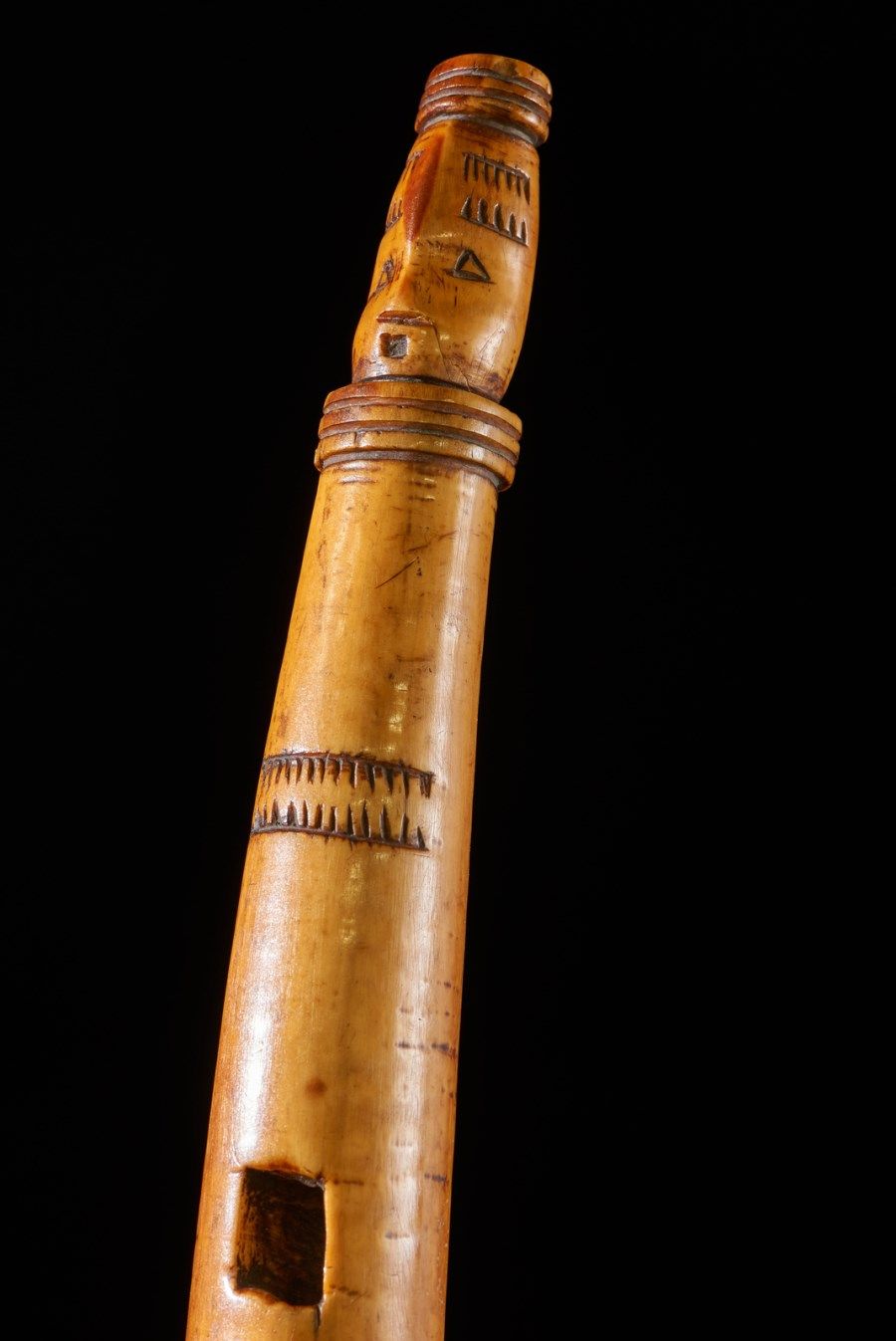
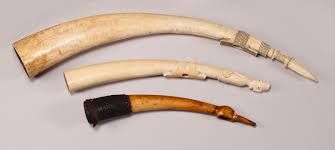
Open to all
Instruments such as the Ọjà, Ọgene, Ekwe, Igba, Udu and Ichaka are heard in community life: dances, masquerades, markets, weddings and many celebrations.
Reserved for honour
The Ọdụ and the great royal drums such as the Ufie belong to kings, titled people and special moments. Who may own or sound them is set by custom and title.
The ancestral horns were added to this project at the proposal of Hon. Barr. Udoji Amedu, Honourable Commissioner for Culture, Entertainment and Tourism, Anambra State. His vision took the project from one flute to the full voice of Igbo culture.
Instrument names, types and local uses are being confirmed with masters in each community.
The ancestral instruments
The Ọjà and the Ọdụ are part of a larger family. This project records, teaches and celebrates all of them.
Ọjà
The talking flute of the people, carved from wood.
Ọdụ
Side blown horn of kings and titled people.
Ọgene
Iron bell that keeps the time and drives the dance.
Ekwe
Hollow log drum that can send messages across the village.
Ufie
Great slit drum of royal courts, sounded for kings and high occasions.
Igba
Skin covered drum at the heart of dance music.
Udu
Clay pot drum with a deep, watery voice.
Ichaka
Gourd rattle wrapped in a net of beads or seeds.
Ụbọ
Wooden box with metal keys plucked by the thumbs.
Voices of the masters
A movement in four acts
A documentary, a photo story and a feature version for festivals, filmed with the masters and communities of Anambra.
The documentary
Filming the masters, makers and ceremonies of the Ọjà and the Ọdụ before the knowledge is lost.
Young Stars
Training young players of the flute, the horns and the other ancestral instruments.
The festival
The Ọjà & Ọdụ Igbo Cultural Festival, in Anambra and across the diaspora.
UNESCO safeguarding
Building the evidence for a UNESCO urgent safeguarding nomination.
Five paths to the stage
Young people will learn the Ọjà, the Ọdụ and all the ancestral instruments together. The best will perform, record and tour as the new stars of Igbo sound.
Young Ọjà Stars
Flute players who make the Ọjà speak again.
Young Ọdụ Stars
Horn players trained by masters, with respect for custom.
Traditional Horn Stars
Players of the other ancestral horns of Igbo land.
Drum and Gong Stars
Ekwe, Ọgene, Igba, Udu and Ichaka ensembles.
Performance Stars
Dance, chant, storytelling and masquerade arts.
ỌJÀ & ỌDỤ
Igbo Cultural Festival
Four days, named after the four market days of the Igbo week, bringing together masters, young stars, kings, titled people, artists and the diaspora.
Ogbuoja Nwa Ezema
Opening and the royal salute of the Ọdụ.
The masters play, and masquerades come out.
Young Stars on stage, crafts market and workshops.
Grand night of the Ọjà and Ọdụ, with awards.
Our goal: a nomination of the Ọjà and Ọdụ traditions for UNESCO’s list of Intangible Cultural Heritage in need of urgent safeguarding.
Lost Igbo genius, found again
The Ọjà and the Ọdụ are the door. Behind them lies a whole world of Igbo art, writing and technology that the world must know again.
Igbo Ukwu bronzes
Bronze works over a thousand years old, among the finest of the ancient world.
Nsibidi
An ancient system of signs and writing.
Uli
Sacred lines drawn on the body and on walls.
Awka blacksmiths
Famous metal workers whose skill travelled across the land.
Instrument makers
The carvers who make the Ọjà and prepare the horns and drums.
Living archive
Every interview, photo and recording kept for researchers and future generations.
Culture that creates a living
This movement is not only about music. It protects and grows the wider Igbo creative economy, so artists and makers can earn from their heritage.
Wood carving
Carvers of instruments, masks, stools and doors.
Weaving and textiles
Traditional cloth, Isiagu and modern fashion rooted in culture.
Beads and adornment
Coral beads and royal regalia made by local hands.
Uli and Nsibidi art
Contemporary artists bringing ancient lines to new canvases.
Pottery and crafts
Clay, calabash and basket makers, from Udu to everyday art.
Creative business
Training, markets and collaborations so young creatives can build businesses.
Partners
Anambra State Ministry of Culture, Entertainment and Tourism
DoHelps & VidaHelps Foundation
DoHelps & VidaHelps Association
DoMa Creative
Music Department, Nnamdi Azikiwe University
The masters and communities of Anambra
Partner With Us
For governments, foundations, universities, sponsors and investors who want to protect Igbo heritage and grow its creative economy.
dohelpsvidahelps@gmail.com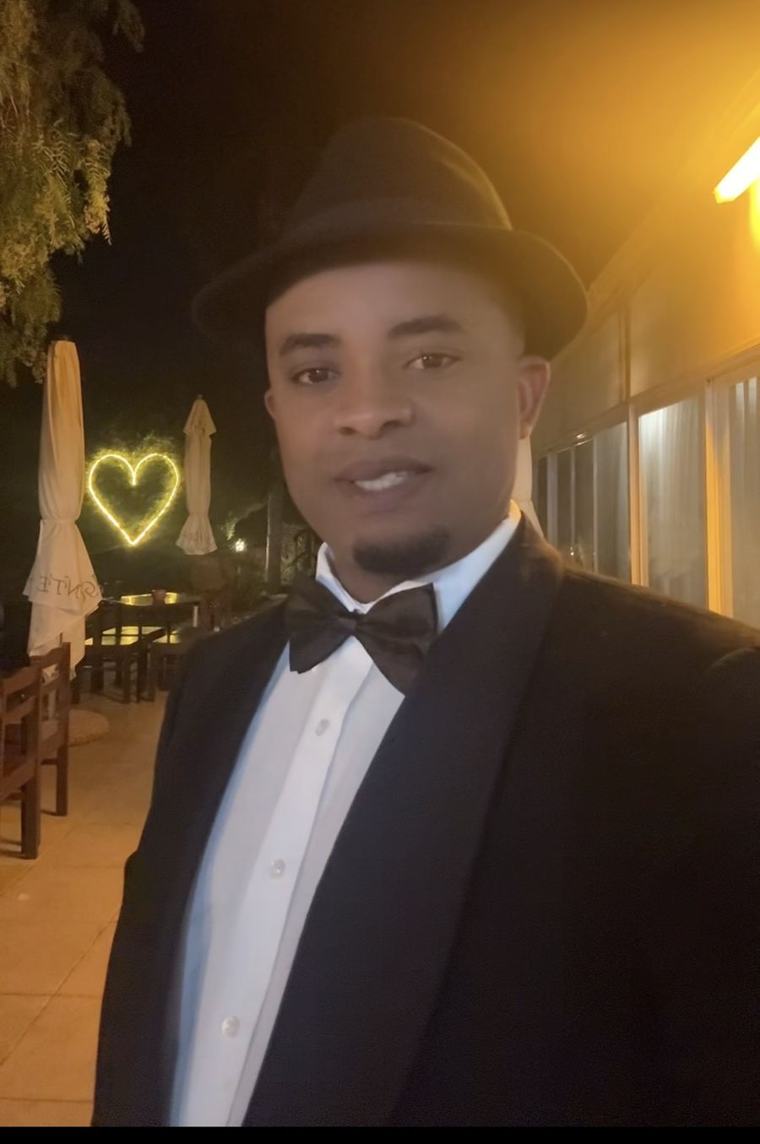
Bennet Ugoeze Onyeiwu
Bennet Ugoeze Onyeiwu is a Portuguese Nigerian storyteller, screenwriter, author and cultural entrepreneur, and the creator of The Voice of the Ancestors.
Long before Afrobeats filled stadiums, he was among the promoters who carried it across Europe: running a club in Valencia, organising events, touring with African artists and presenting his own Afrobeats segment on Spanish television. He writes feature films and turns them into books to protect his stories. Through his organisations he leads projects in culture, education, youth empowerment, agriculture and digital skills across Europe and Africa, including Money Vote Quest, a game that teaches young people money and civic skills. The Voice of the Ancestors is his promise to Igbo culture: to record it, teach it and carry it to the world.
Ọjà and Ọdụ: what to know
What is the Ọjà?
Carved by hand from a single piece of wood, with a notched mouth and a few finger holes. Many are decorated with carved heads, bands and colour. Igbo is a tonal language, so a master can make the Ọjà follow the tones of speech: calling names, praising people and sending messages the community understands.
What is the Ọdụ?
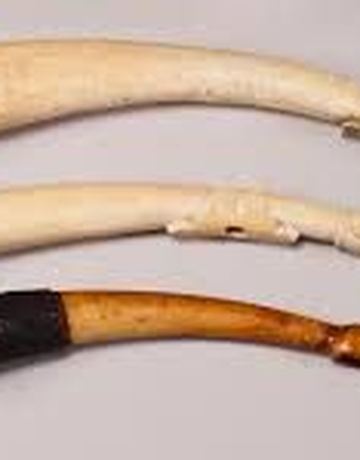
A side blown horn, traditionally made from an elephant tusk, sometimes from animal horn or carved wood. The same word also names the ivory bands worn by titled women.
Who can play the Ọdụ?
The Ọdụ and the great royal drums such as the Ufie belong to kings, titled people and special moments. Who may own or sound them is set by custom and title.
Who are Ndị Ichie na Ndị Ọzọ?
Ndị Ichie na Ndị Ọzọ hold the highest titles in Igbo land. The Ọdụ sounds their praise names, greets them at gatherings and marks their title taking.
What is the Ọfala?
At the Ọfala, the royal festival of an Igwe, the horns salute the king and his chiefs before the whole kingdom.
What is the Ọjà & Ọdụ Igbo Cultural Festival?
Four days, named after the four market days of the Igbo week, bringing together masters, young stars, kings, titled people, artists and the diaspora.
Keep the voice alive
Your gift helps us record the last masters, train young players and bring the Ọjà & Ọdụ Festival to life.
Donate by PayPal or by card. Gifts go to DoHelps & VidaHelps, a registered non profit organisation, and are reported openly.
Connected platforms
Be part of the sound
Get news on filming, the festival and the young stars.